Contents
Call us for a consultation
Managing Dry Eye Symptoms
At Peninsula Eyecare Izzards Optometrists, we provide dry eye services as part of our optometry care on the Central Coast. Dry eyes can occur when the tear film does not provide enough moisture or stability across the surface of the eye, which may lead to irritation or fluctuating vision. During consultation, we assess symptoms and contributing factors to determine how the condition presents. This may involve reviewing medical history, environmental influences and clinical findings to guide assessment.
Our dry eye services can include:
- Assessment of tear function and contributing factors
- Clinical testing to evaluate the surface of the eye
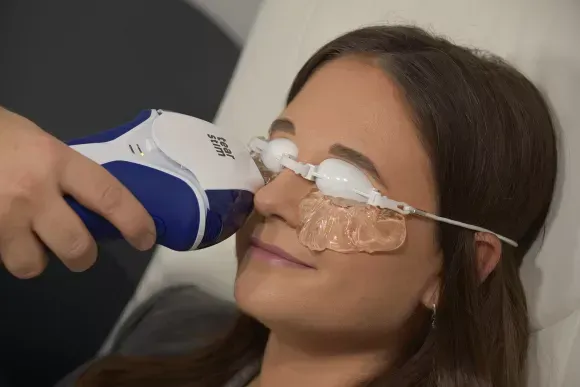
We also offer Intense Pulsed Light (IPL) therapy — a non-invasive treatment designed to relieve chronic dry eye caused by Meibomian Gland Dysfunction (MGD). IPL uses gentle pulses of light to reduce eyelid inflammation, unblock meibomian glands, improve tear film stability, minimise tear evaporation and target bacteria and mites that can contribute to dry eye symptoms.
We provide consultations for individuals experiencing ongoing dryness as well as those seeking further assessment of symptoms or suitability for IPL. Appointments typically involve reviewing relevant information and carrying out testing based on clinical requirements. Management options are discussed where appropriate, based on findings. To arrange an appointment, call
(02) 4341 2083.
Assessing Tear Film Function
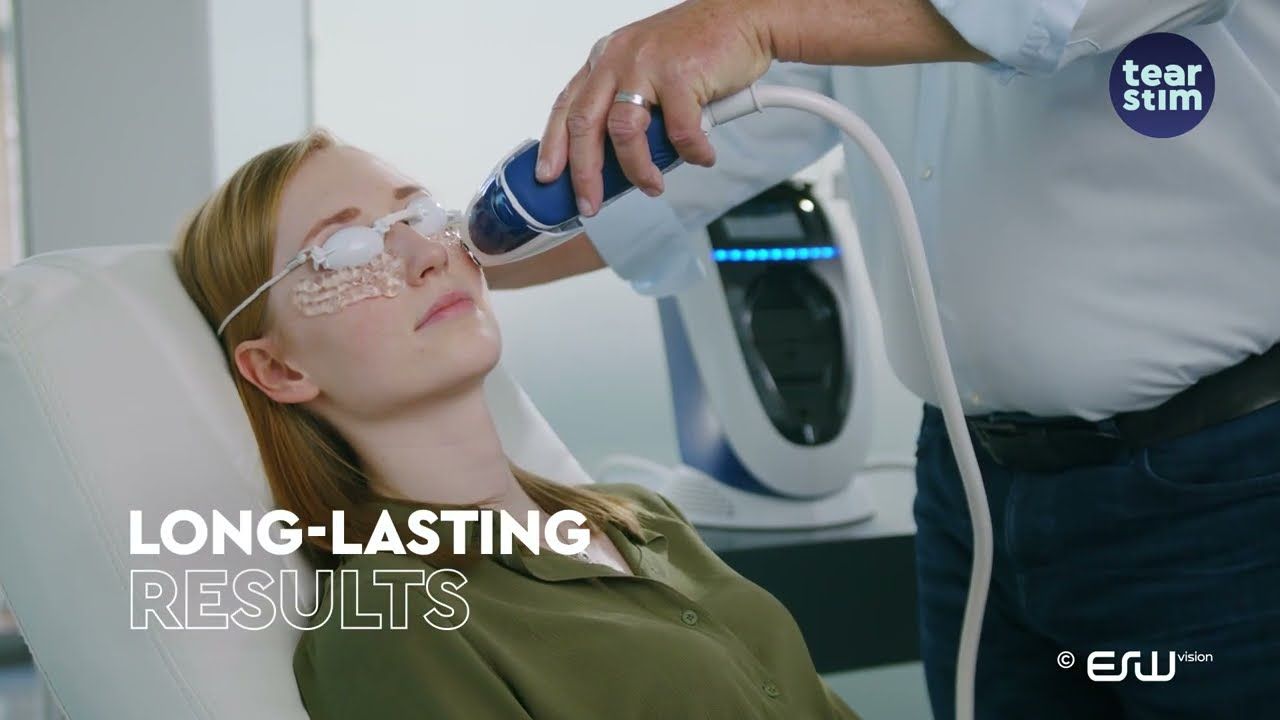
Dry eye assessment focuses on understanding how the tear film functions and how it affects the surface of the eye. We carry out testing to evaluate tear production, tear stability and eyelid function, using methods suited to the consultation. These assessments can help identify whether dryness relates to reduced tear production, increased evaporation or a combination of factors. Findings are documented and used to guide ongoing monitoring or management where required.
To learn more about dry eye services, contact our team to discuss your requirements and arrange an appointment.
Tear Film Assessment
Symptom Evaluation
Clinical Approach
FAQ
What causes dry eye symptoms?
Dry eye symptoms can occur when the eyes do not produce enough tears or when the tear film does not function as expected. This may relate to environmental factors, medical conditions or changes in eyelid function. Reduced tear quality can also contribute to dryness. An assessment helps identify possible contributing factors based on individual circumstances.
How is dry eye assessed during a consultation?
Assessment of dry eyes may involve reviewing symptoms and examining the surface of the eye. Testing can include evaluating tear production, tear stability and eyelid function. Additional methods may be used depending on clinical findings. The aim is to understand how the tear film is functioning during the consultation.
What management options are available for dry eye?
Management options can vary depending on the cause and severity of symptoms. These may include lubricating eye drops, eyelid care or other clinical treatments. In some cases, changes to environmental or lifestyle factors may also be considered. Options are discussed based on the results of assessment and individual needs.
Who is a suitable candidate for IPL?
IPL can be suitable for people with meibomian gland dysfunction, evaporative dry eye, or eyelid inflammation, because it is designed to reduce inflammation and help the glands produce healthier oils. It may also be effective for those with ocular rosacea, chronic blepharitis, or recurrent styes, especially when standard treatments haven’t provided lasting relief. A suitability check is still important, as factors like skin type and light sensitivity can influence whether IPL is the right choice.